
Insight
The EU Digital Product Passport Revolution: Your 2027 Survival Guide
Tags

Right, let’s talk about the elephant in the room that’s about to charge through every manufacturing boardroom in Europe. The EU Digital Product Passport (DPP) isn’t just another regulatory checkbox—it’s a fundamental reimagining of how we make, track, and recycle products. And if you’re not preparing now, you’re already behind.
Here’s the stark reality: come February 2027, if you’re manufacturing batteries, you’ll need a digital passport for every single unit. By 2030, virtually every physical product sold in the EU will need one. We’re talking about the biggest shift in product transparency since the barcode was invented, affecting a €14 trillion economy.
What Exactly Is a Digital Product Passport?
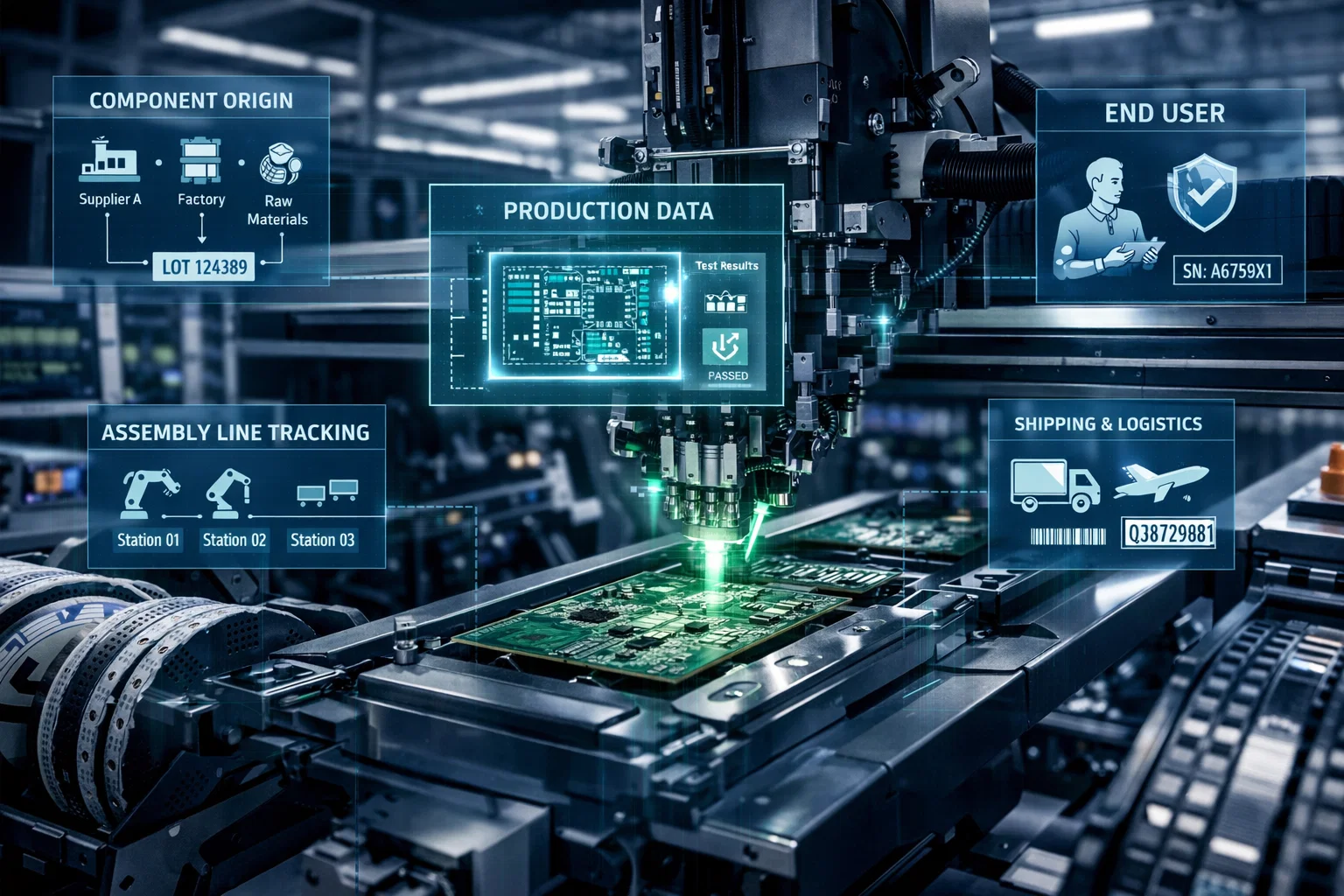
Think of it as a birth certificate, medical record, and autobiography for every product—all rolled into one digital identity. Scan a QR code or tap an NFC chip, and you’ll access up to 110 data points about that product: where its materials came from, its carbon footprint, how to repair it, and crucially, how to recycle it properly.
I’ve been working with manufacturers implementing early versions, and the results are eye-opening. Nobody’s Child, the fashion brand, discovered their suppliers were using renewable energy they didn’t even know about. Tesla’s achieving 100% cobalt traceability in their batteries. H&M’s turning one-time purchases into ongoing customer relationships through product care information.
The Timeline That’s Keeping CEOs Up at Night
Let me break down what’s coming:
April 2025: The EU published its first ESPR Working Plan. This is when the details of exactly which products were outlined in the first wave.
July 2026: The DPP registry goes live and connects with EU Customs. No passport, no import.
February 2027: D-Day for batteries. Every industrial and EV battery over 2kWh needs a full passport.
Summer 2027: Textiles join the party. That t-shirt will need 110 data points tracked back to the cotton farm.
2027-2030: Electronics, construction materials, furniture, chemicals—everyone gets swept in.

The Hidden Goldmine in Compliance
Here’s what the consultants won’t tell you upfront: companies doing this properly are seeing 150-500% ROI within five years. How? It’s not just about avoiding fines—it’s about transforming your operations.
Take supply chain visibility. Right now, 81% of fashion brands can’t see past their tier 3 suppliers. With DPP implementation, you get real-time visibility all the way back to raw materials. That means spotting risks faster, negotiating better, and yes, finally being able to back up those sustainability claims with hard data.
One electronics manufacturer I’ve been advising discovered they could recover €13 billion worth of materials annually from e-waste—materials they’re currently sending to landfill. Another found 50% efficiency improvements in their refurbishment process just by having accurate product data.
The Technical Reality Check
Let’s get practical. You’ll need to:
- Choose your data carrier: QR codes (€0.10-0.50 per product) for most items, NFC chips (€0.50-2.00) for premium goods
- Set up your data architecture: JSON-LD format, REST APIs, OAuth2 authentication—the works
- Integration nightmare: Your ERP, PLM, MES, and QMS all need to talk to each other
- Privacy by design: GDPR compliance isn’t optional when you’re handling this much data
Budget-wise? Large enterprises should plan for €500,000-5 million over 24-36 months. SMEs can get basic compliance for €50,000-300,000, but spread it over 3-4 years. The good news is you can phase implementation—start with high-value products and expand.
Why Physical Authentication Changes Everything
Here’s where my work at Septillion becomes crucial. A digital passport is only as trustworthy as the physical product it represents. We’re seeing counterfeiters getting sophisticated enough to fake QR codes and even basic NFC chips.
That’s why physical fingerprinting—like our Fibrecode® technology—becomes essential. By creating unique, unclonable signatures, you forge an unbreakable link between the physical product and its digital twin. No more wondering if that high-value component is genuine or if someone’s swapped it out somewhere in your supply chain.
The Regulatory Domino Effect
Here’s the clever bit about DPPs—they’re designed to solve multiple regulatory headaches at once. Implement them properly, and you’re automatically collecting data for:
- CSRD sustainability reporting (due 2025 for many companies)
- Green Claims Directive (no more greenwashing)
- Critical Raw Materials Act (strategic material tracking)
- Due diligence requirements (supply chain transparency)
Companies doing separate implementations for each regulation are looking at 30-50% higher costs. Do it once, do it right.
Real Talk: The Challenges
I won’t sugarcoat this. Implementation is tough. The biggest hurdles:
Data quality: Your suppliers’ Excel sheets from 1997 won’t cut it. You need standardised, verified data from every tier of your supply chain.
Change management: Your procurement team comfortable with decades-old relationships? They’re about to get very uncomfortable.
Technical complexity: 79% of companies lack end-to-end supply chain visibility today. Building that overnight isn’t happening.
Supplier resistance: Asking for transparency from suppliers used to opacity is like asking teenagers to share their browsing history.
Your 90-Day Action Plan
Stop reading articles and start doing. Here’s your immediate action plan:
Days 1-30:
- Audit your current data landscape
- Identify which products fall under 2027 requirements
- Get board-level sponsorship (this isn’t an IT project)
Days 31-60:
- Select pilot products for implementation
- Start supplier conversations about data requirements
- Evaluate technology platforms (hint: avoid vendor lock-in)
Days 61-90:
- Launch pilot implementation
- Establish data governance framework
- Begin change management programme
The Competitive Reality
This isn’t going away. The companies treating DPP as a compliance burden will struggle. Those seeing it as a transformation opportunity will thrive.
I’m watching early adopters turn product transparency into premium pricing. They’re using authentication to eliminate counterfeits. They’re building direct customer relationships through QR code engagement. They’re accessing green financing with verified sustainability data.
Meanwhile, their competitors are still debating whether this regulation will really happen. Spoiler alert: it will.
The Bottom Line
The Digital Product Passport represents the biggest shift in product manufacturing since the industrial revolution. It’s not just about compliance—it’s about competing in a world where transparency isn’t optional.
Companies that start now, build robust physical-to-digital authentication into their processes, and treat this as strategic transformation rather than regulatory burden will own the next decade. The rest will spend it playing catch-up.
The clock’s ticking. February 2027 might seem far away, but in implementation terms, it’s tomorrow. The question isn’t whether you’ll implement DPPs—it’s whether you’ll lead or follow.